Showing posts with label soil. Show all posts

Wednesday, May 6, 2015

Soil pH and How to Fix It

A pH test measures soil acidity or alkalinity. A pH 7.0 is considered neutral. An acid soil has a pH value below 7.0. Above pH 7.0 the soil is alkaline.  Most of us want our soil in between 6.1-7.0  on the acidity and a 2 or 3 on the other tests. Hopefully that makes sense.

 pH 3.0 - 5.0
  • Very acid soil
  • Most plant nutrients, particularly calcium, potassium, magnesium and copper, become more soluble under very acid conditions and are easily washed away
  • Most phosphates are locked up and unavailable to plants below pH 5.1, although some acid tolerant plants can utilise aluminium phosphate
  • Acid sandy soils are often deficient in trace elements
  • Bacteria cannot rot organic matter below pH 4.7 resulting in fewer nutrients being available to plants
  • Action: Add lime to raise the pH to above 5.0. The addition of lime can help break up acidclay soils
 pH 5.1 - 6.0
  • Acid soil
  • Ideal for ericaceous (lime-hating) plants such as rhododendronscamellias and heathers
  • Action: Add lime if other plants are grown
pH 6.1 - 7.0
  • Moderately acid soil
  • A pH 6.5 is the best general purpose pH for gardens, allowing a wide range of plants to grow, except lime-hating plants
  • The availability of major nutrients is at its highest and bacterial and earthworm activity is optimum at this pH
  • Action: It is not usually necessary to add anything to improve soil pH at this level
pH 7.1 - 8.0

  • Alkaline soil
  • Phosphorus availability decreases
  • Iron and manganese become less available leading to lime-induced chlorosis
  • But an advantage of this pH level is that clubroot disease of cabbage family crops (brassicas) is reduced
  • Action: Sulphur, iron sulphate and other acidifying agents can sometimes be added to reduce pH. Clay soils often require very large amounts of acidifying material and soils with free chalk or lime are not usually treatable

The Secret Soil Ingredient You NEVER Thought Of ...

DIAPERS.

Whether they are used or unused will be your little secret. [Mason is willing to make a deal with anyone interested in baby Malin's for a small fee.]

Thursday, April 30, 2015

Soil Test Kits

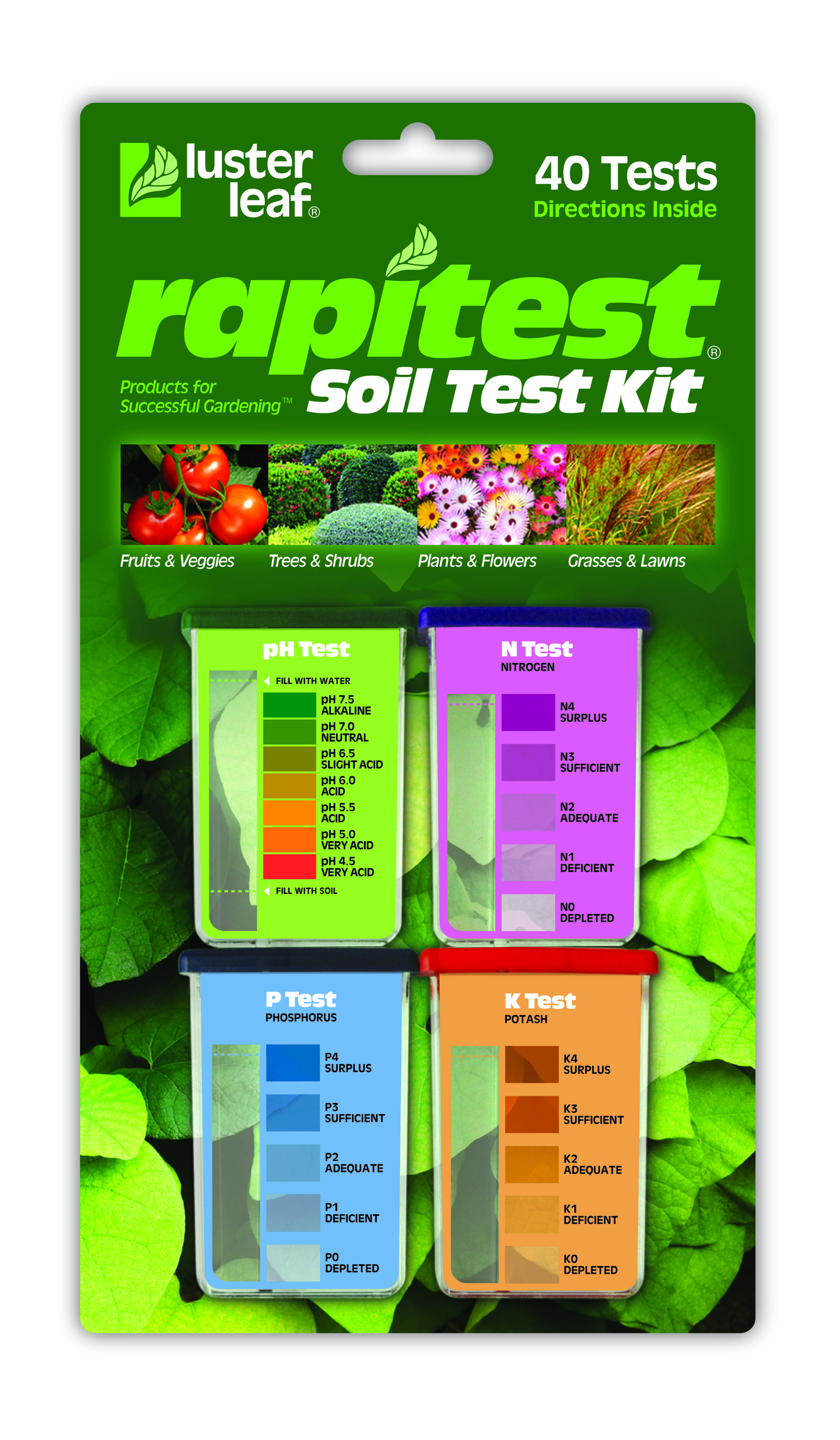
These are the kits we just bought for the club. We have four sets -- so there is enough for everyone to have one test capsule of each color.

We will keep the little testing containers and eye droppers in a container in the (soon to be new and improved) give and take area. PLEASE WASH THEM AFTER YOU USE THEM.

We probably will not all be able to test on the same night (the upcoming work night) -- but for three of the tests you are supposed to mix some of your soil with water and let it settle for one to 24 hours anyway. So you may want to bring a container to mix in and then come back at some point on Saturday or Sunday to test.

HERE ARE THE DIRECTIONS. They will be in the give and take area as well, but you may want to read them ahead of time.

Friday, April 17, 2015

Dirt Matters

As we will learn from Byron on Tuesday, the pH of your soil is very important! Below is a link I ran across about testing your soil.

The first method involves using a commercial tester (maybe we should look into how much these cost and all share one). Methods two and three use items we all have around the house - or at least we easily could.

Method two = you boil some red cabbage and put it in various cups and add soil to it. This looks like a fun science experiment to try as a family!

Method three = uses baking soda and vinegar.

Lots to learn here!
"How to Test Soil pH" from Wikihow.

Wednesday, May 21, 2014

Soil Recipe

Noe was in the building yesterday, and he sent in a couple of helpful links for us. [Sidenote, if you have gardening questions, he is a great person to ask.]

http://www.jungseed.com/GardenersCorner.asp?article=Square+Foot+Gardening+Soil+Recipe&aid=52&id=5

This link is recommending a mixture of:
-- 1/3 Blended Compost  [we are getting a load of composted manure, FYI]
-- 1/3 Peat Moss [if you want to add this, you will need to provide your own]
-- 1/3 Soil [we have a load of this ready to go as well]

For more on soil, be sure to attend our special talk "Manure And You" on Tuesday, May 27.